

Carrier Ancillary Yield Saturation
Carrier Ancillary Yield Saturation Strains Network Turnaround Times
14 November 2026
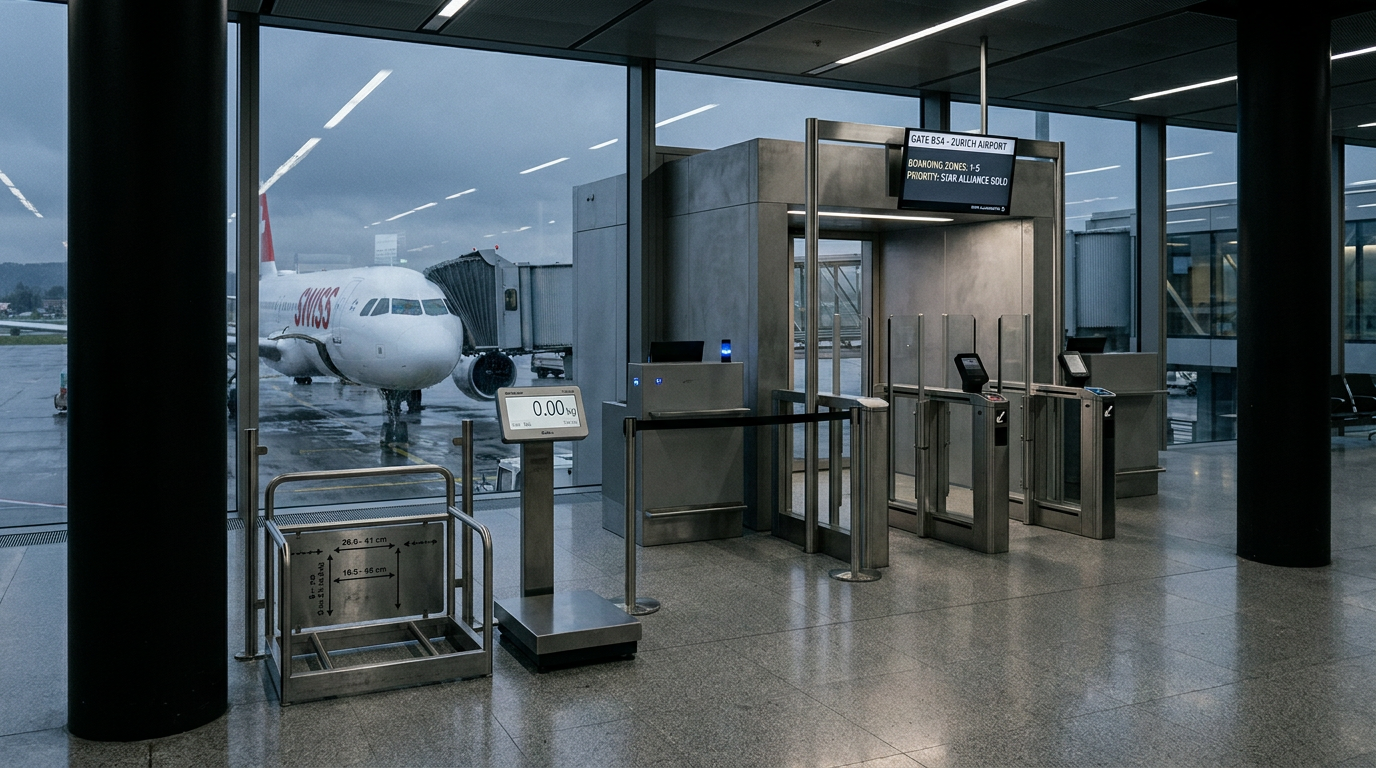
Over the past decade and a half, the structural turnaround of global commercial aviation balance sheets was underpinned by the aggressive unbundling of passenger revenues. What originated as defensive baggage surcharges in the wake of previous fuel spikes gradually matured into a sophisticated architecture of micro-segmentation. Legacy network carriers and low-cost operators alike systematically decomposed the travel experience, monetizing legroom differentials, reserved overhead storage, and boarding sequence priority. Ancillary receipts expanded from incidental operational fees into high-margin cash flows that, across multiple quarters, accounted for virtually the entirety of industry operating profits. However, recent network carrier disclosures and mid-quarter operating metrics indicate that this ancillary monetization framework is encountering acute operational and economic saturation.
The primary vulnerability stems from the collision between physical cabin constraints and over-monetized boarding hierarchies. Over successive commercial cycles, airline revenue management systems layered overlapping priority claims onto identical, finite assets. Co-branded credit card cardholders, corporate contract travelers, multi-tiered loyalty program elites, and retail purchasers of priority boarding now routinely congregate in the earliest boarding groups. In many standard narrow-body departures, the cohorts entitled to priority access constitute between thirty-five and fifty percent of the total passenger manifest. When these prioritized travelers discover that overhead bin volume is already exhausted, the economic justification for the fee structure evaporates, precipitating passenger resistance and dampening future ancillary willingness to pay.
From an institutional perspective, the financial transmission mechanism of this friction is operational rather than purely reputational. The over-subscription of initial boarding cohorts routinely generates acute gate bottlenecks and forces flight crews into late-stage, involuntary gate-checking of carry-on luggage. In dense hub-and-spoke networks, these gate-side disruptions frequently add six to ten minutes to aircraft turnaround intervals. Across an enterprise operating thousands of daily departures, systematic boarding friction accumulates into measurable network schedule buffer expansion. When capital-intensive assets, particularly next-generation narrow-body airframes carrying substantial lease liabilities or financing debt service, experience lower daily flight hours aloft, fixed asset productivity declines, directly elevating non-fuel unit costs per available seat mile.
This operational drag arrives as airline cost structures face broader cyclical rigidity. The elevated contribution margins of ancillary fees previously functioned as an essential shock absorber against contractual labor cost increases, elevated airframe maintenance expenditures, and airport authority landing fee adjustments. With ancillary revenue growth per passenger decelerating across mature domestic and transatlantic corridors, carriers can no longer rely on micro-fee inflation to compensate for base-fare yield softness or structural unit cost increases. Furthermore, regulatory bodies in both North America and Europe are advancing stringent frameworks targeting unbundled surcharges and mandatory fee transparency, threatening to constrain ancillary pricing agility without restoring underlying base-fare pricing power.
For credit underwriters and equity allocators, the exhaustion of ancillary yield expansion necessitates a more discerning evaluation of airline capital efficiency. The phase of commercial aviation where operating margins could be synthetically augmented by parceling physical cabin access into increasingly fragmented billable tiers is reaching its practical limit. Moving forward, sustainable margin differentiation will depend on authentic premium cabin capital expenditure, rigorous network scheduling discipline, and fleet turnaround efficiency. Carriers whose unit revenue economics remain disproportionately dependent on oversold ancillary privileges are vulnerable to persistent margin erosion as operational friction degrades overall fleet productivity.
This commentary is provided for general information only and does not constitute investment, legal or tax advice.