

Shelf Dynamic Pricing
Dynamic Shelf Pricing Reshapes Brick-and-Mortar Margin Velocity
24 October 2026
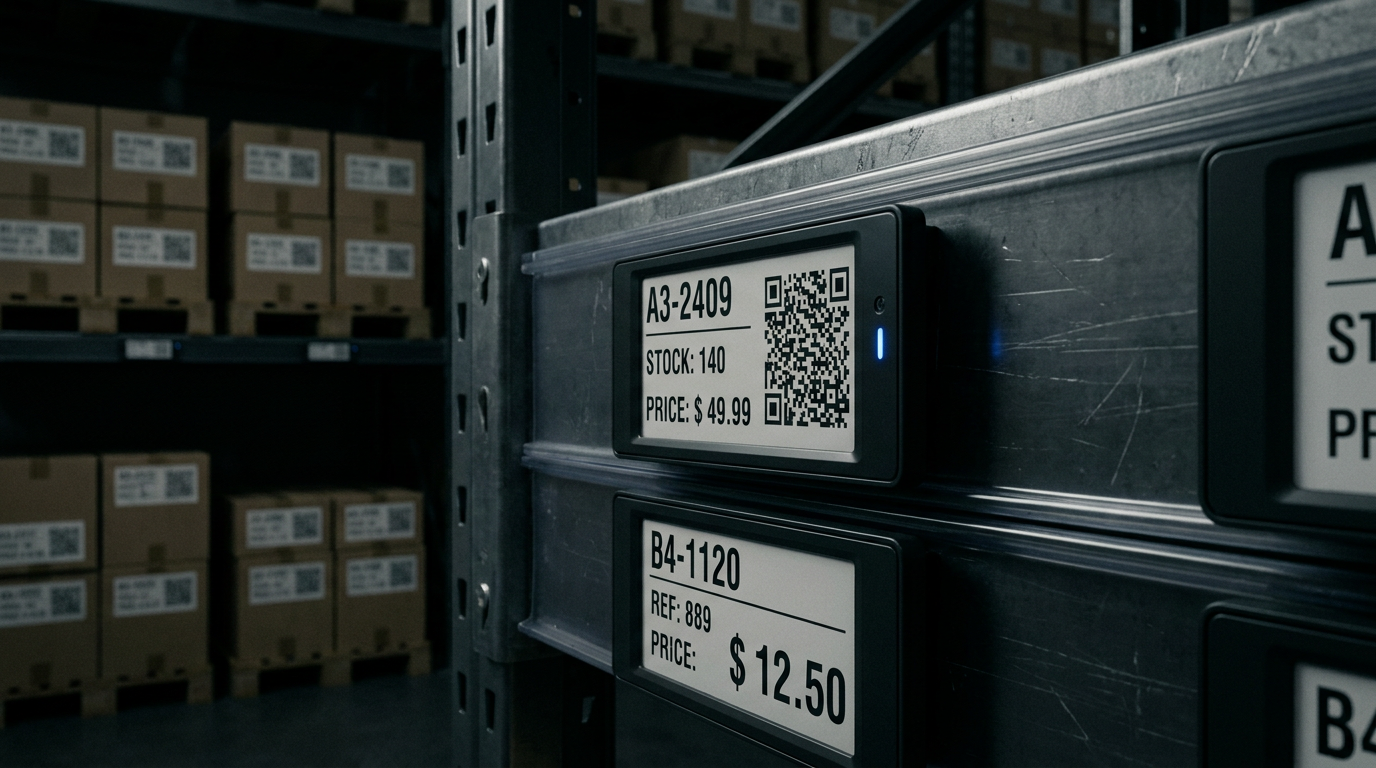
The broad-scale transition toward electronic shelf labeling across tier-one brick-and-mortar retail networks accelerated notably this week, signaling a fundamental transformation in how physical merchants capture margin and manage inventory turnover. Long characterized by static price tags and labor-intensive weekly promotional resets, the physical retail landscape is adopting algorithmic repricing engines historically confined to digital marketplaces and airline revenue management desks. As capital expenditure programs for high-density optical and radio-frequency display infrastructure reach commercial scale across operators such as Walmart and Best Buy, the physical retail perimeter is evolving into an active, high-frequency pricing ecosystem.
From a corporate finance perspective, the initial investment thesis for digital shelf infrastructure centered largely on operational expense reduction. The routine labor burden of manual tag replacement has historically consumed substantial operating hours across store fleets exceeding hundreds of thousands of square feet per location. By automating unit-level price changes via centralized enterprise resource planning feeds, operators initially justified capital allocations through payroll efficiencies and the mitigation of scanning-audit compliance fines. However, management commentary across recent institutional conferences confirms that labor savings represent merely the baseline underwriting floor. The strategic value driver has shifted decisively toward active margin optimization.
By establishing real-time synchronization between enterprise pricing algorithms and physical shelf endpoints, retailers can implement dynamic yield management across sprawling stock-keeping unit inventories. Fresh produce, perishable packaged goods, and seasonal electronics can now experience micro-adjustments in pricing to balance localized demand velocity against shelf-life decay and warehouse replenishment schedules. In high-turnover grocery corridors, real-time discounting enables the clearance of near-expiry inventory without administrative friction, reducing shrink while maintaining cash conversion cycle cadence. Conversely, intraday adjustments during peak traffic windows allow operators to optimize unit contribution margins in real time, capturing consumer willingness to pay with a granularity previously unattainable in physical footprints.
This technological transition introduces a significant shift in retail working capital dynamics. In an operating environment shaped by persistent wage pressures and volatile wholesale input costs, dynamic shelf infrastructure compresses the latency of cost pass-through. Whereas traditional supply chain inflation historically compressed retail gross margins until corporate-wide price sheets could be printed and distributed, digital infrastructure permits instantaneous wholesale-to-retail transmission. Retailers with mature electronic shelf labeling networks exhibit demonstrably lower margin beta relative to wholesale commodity fluctuations, providing defensive insulation during periods of producer price volatility.
Nevertheless, this capability introduces emerging regulatory friction and governance considerations that credit and equity analysts must monitor. Antitrust authorities and consumer protection agencies across North America and Europe have initiated preliminary inquiries into dynamic pricing practices at the physical point of sale. Regulators are increasingly scrutinizing whether intraday volatility reflects legitimate cost-curve adjustments or algorithmic price discrimination that exploits localized purchasing habits. In several municipal jurisdictions, legislative drafts are already circulating that seek to restrict intraday price increases once a commercial facility opens its doors, potentially circumscribing the upside optionality of dynamic repricing.
Furthermore, the technological integration burden remains non-trivial. Deploying battery-backed e-ink displays across tens of thousands of individual retail nodes requires resilient in-store edge computing infrastructure, robust backhaul telecommunications, and synchronized point-of-sale databases. Any latency discrepancies between shelf indicators and terminal checkout registers expose operators to acute consumer attrition and punitive statutory penalties for deceptive trade practices. The divergence between operators capable of executing full-fleet algorithmic pricing and capital-constrained competitors unable to absorb the upfront hardware cost is likely to widen the return on invested capital spread within the global retail sector.
Ultimately, the modernization of physical retail pricing architecture marks the erosion of the historic margin divide between e-commerce aggregators and traditional operators. For long-term institutional investors evaluating consumer sector exposures, the deployment of electronic shelf labeling shifts retail evaluation away from blunt same-store sales metrics toward sophisticated algorithmic execution capacity, dynamic margin velocity, and regulatory risk management across physical asset networks.
This commentary is provided for general information only and does not constitute investment, legal or tax advice.