

Compute Collateral Dynamics
Compute Collateral Dynamics Test Specialized Cloud Balance Sheets
19 October 2026
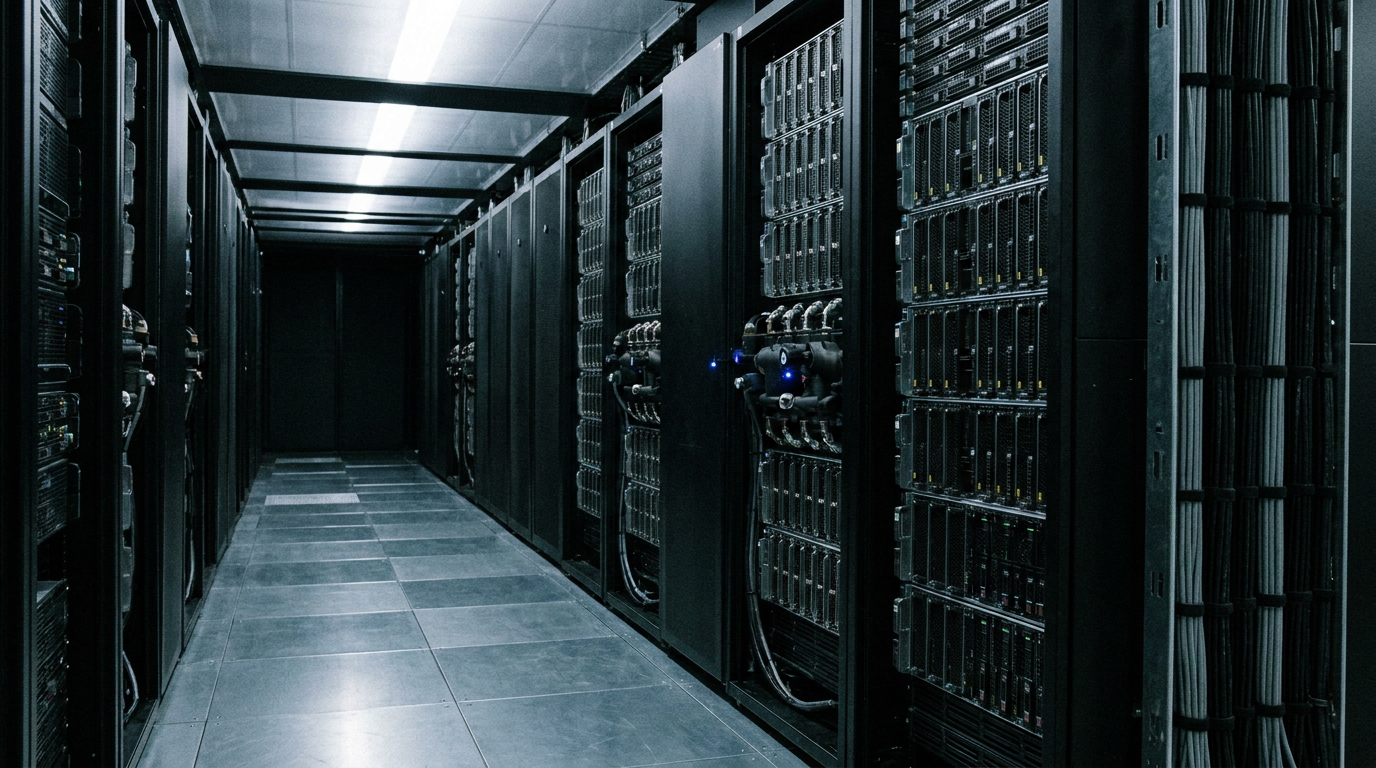
The repricing across publicly traded and private debt-backed specialized cloud providers marks a decisive return to corporate balance-sheet fundamentals. Over the past three years, the rapid deployment of artificial intelligence architectures catalyzed the emergence of specialized compute operators who acquired dense clusters of high-performance accelerators, financing these capital expenditures through massive asset-backed debt structures. While early capital allocation assumed sustained scarcity and durable pricing power, the recent compression in secondary compute valuations has laid bare the underlying asset-liability mismatch inherent to leveraged hardware leasing.
At the core of this tension lies the structural divergence between physical depreciation and debt amortization schedules. Non-bank lenders, private credit syndicates, and infrastructure funds extended multi-billion-dollar credit facilities secured directly by hardware collateral, operating under models that assigned multi-year residual asset values to leading-edge graphics processing clusters. However, the commercial half-life of accelerated computing hardware behaves far more like consumable technology equipment than durable infrastructure. The introduction of next-generation silicon architectures, combined with algorithmic optimization that reduces parameters required for model inference, accelerates the economic obsolescence of legacy clusters well ahead of standard five-year corporate depreciation assumptions.
This obsolescence curve creates direct friction with covenant packages embedded in senior secured facilities. In typical asset-based lending frameworks, borrowing-base availability fluctuates with the appraised fair market value of the underlying assets. As secondary market clearing prices for previous-generation clusters decline, loan-to-value ratios rise organically, forcing operators either to pledge additional unencumbered liquidity or pay down principal tranches ahead of schedule. For specialized compute providers operating on thin operational cushions, such margin adjustments rapidly exhaust working capital, transferring financial distress from theoretical model spreadsheets to immediate cash flow management.
Compounding this collateral pressure is the shifting posture of hyperscale off-takers. During the initial wave of hardware constraints, primary cloud operators and well-capitalized foundational model developers executed multi-year, non-cancellable take-or-pay leases to guarantee compute capacity. As hyperscalers progressively bring internal custom silicon online and expand their owned datacenter footprints, their appetite for underwriting speculative capacity through secondary providers has normalized. Lease durations are contracting from long-term commitments to flexible, spot-market or short-duration tranches, directly impairing the deterministic revenue visibility required to service long-dated senior notes.
This contraction reveals a critical analytical error made by early infrastructure capital: conflating digital processing equipment with underlying physical infrastructure. Institutional capital frequently underwrites land, cold-shell datacenter real estate, and long-term electrical utility interconnects with the low cost of capital appropriate for generational utility assets. In contrast, the internal silicon blades housed within those shells bear extreme technology risk, severe cyclicality, and zero sovereign utility protection. Applying project-finance leverage ratios to short-lived electronic assets inevitably generates balance-sheet fragility when supply chains normalize and computational efficiency gains outpace workload volume expansion.
From the institutional perspective in Zurich, the current distress across specialized cloud operators is not a structural indictment of computing demand, but rather a standard market clearing of aggressive capital structures. Corporate recapitalizations, mezzanine debt restructurings, and selective debt-for-equity conversions will increasingly reallocate these asset bases to unencumbered balance sheets at realistic liquidation valuations. Allocators must enforce rigid analytical boundaries between long-duration, defensive power-and-shell infrastructure on one hand, and highly leveraged, fast-depreciating technology hardware on the other.
This commentary is provided for general information only and does not constitute investment, legal or tax advice.